Collagen isn’t just a beauty supplement.
Collagen is one of the most important building materials in your body. If you’re dealing with joint pain, digestive issues, slow healing, weak nails, thinning hair, sagging skin, or chronic inflammation, collagen is almost always part of the picture.
This guide explains collagen in simple terms—what it does, why most people are deficient, how to use it properly, who should be cautious, and how to make the best collagen at home.
What Is Collagen?
Collagen is the main structural protein in your body.
Think of it as the framework that holds everything together.
It forms:
- Skin
- Joints and cartilage
- Tendons and ligaments
- Bones
- Gut lining
- Blood vessels
- Hair and nails
If muscle is the engine, then collagen is the chassis.
Your body relies on collagen to:
- Keep skin firm
- Cushion joints
- Maintain gut integrity
- Support organs
- Strengthen bones
- Repair tissue after injury
Without enough collagen, the body slowly starts to weaken—often quietly, long before obvious symptoms appear.
Why Almost Everyone Today Is Low In Collagen
Our grandparents somehow were consuming collagen daily, whether they knew it or not.
They ate:
- Bones and marrow
- Skin and cartilage
- Tendons
- Fish heads
- Chicken feet
- Slow-cooked stews
Modern diets removed all of the above.
Today, most people eat mainly muscle meat (chicken breast, lean beef, fish fillets). Muscle meat contains almost no collagen.
On top of that:
- Stress breaks down collagen
- Sugar damages collagen fibers
- Alcohol slows collagen repair
- Seed oils increase inflammation
- Poor sleep reduces tissue regeneration
- Aging decreases collagen production
- Gut problems reduce absorption
- By age 25, collagen production already begins to decline.
By 40 years of age, most people are already running low on collagen. Their hair is thinning, they look prematurely aged, they have knee problems.
What Collagen Actually Does In Your Body
Skin Health
Collagen gives skin structure and elasticity. Low collagen shows up as:
- Sagging
- Wrinkles
- Dryness
- Crepey texture
- Slow wound healing
Adequate collagen supports:
- Firmer skin
- Better hydration
- Improved elasticity
- Faster repair
- Reduced fine lines over time
However, this is gradual, since you’re already low on collagen. It takes time for your cells to rebuild. Nourish your body consistently, and expect weeks to months to see improvements.
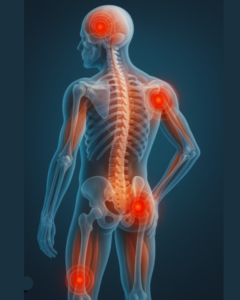
Joints, Cartilage, and Mobility
Cartilage is largely collagen. When collagen drops:
- Knees ache
- Hips feel stiff
- Fingers hurt
- Back tightens
- Morning stiffness increases
Collagen helps:
- Cushion joints
- Reduce stiffness
- Improve flexibility
- Support cartilage regeneration
- Lower injury risk
This is why consistent collagen intake often helps aging adults, athletes, and people with joint pain.
Gut Lining And Digestion
One of collagen’s most overlooked roles is gut repair. Your intestinal lining depends heavily on collagen-rich tissue.
Low collagen contributes to:
- Leaky gut
- Food sensitivities
- Bloating
- Poor nutrient absorption
- Chronic inflammation
Collagen supplies glycine and proline—amino acids that are needed to rebuild the gut wall. With consistent consumption, you will notice:
- Less bloating
- Better digestion
- Improved stool quality
- Reduced food reactions
Bone Strength
Bones aren’t just calcium. They’re collagen first. Collagen creates the flexible framework that minerals attach to.
Without collagen:
- Bones become brittle
- Fracture risk increases
- Density declines
This is especially important for aging adults, post-menopausal women, and anyone who has used steroids.
Hair and Nails
Hair and nails are protein structures.
Low collagen often appears as:
- Brittle nails
- Slow hair growth
- Thinning hair
Supporting collagen can improve:
- Nail strength
- Hair thickness
- Growth rate
Most people notice improvements after 6–8 weeks.
Blood Vessels and Circulation
Collagen maintains the strength and elasticity of blood vessels.
Low collagen contributes to:
- Fragile capillaries
- Easy bruising
- Poor circulation
Adequate collagen supports vascular integrity.
Muscle Recovery
Collagen doesn’t build muscle directly, but it strengthens the connective tissue around muscles.
This improves:
- Recovery
- Tendon strength
- Injury prevention
Types of Collagen
There are many types of collagen, but these matter most:
Type I: For skin, bones, tendons, hair, nails (main structural collagen)
Type II: For cartilage and joints
Type III: For gut lining, blood vessels, organs (main healing collagen)
Whole collagen sources usually contain multiple types.
Collagen vs Gelatin vs Collagen Peptides
Whole Collagen (Food Form)
Found in bone broth, chicken feet, fish skin.
- Best for gut and immune support
- Slow absorption
- Most natural
Gelatin
Cooked collagen that thickens liquids.
- Excellent for gut lining
- Supports digestion
- Still requires digestion
Hydrolyzed Collagen (Collagen Peptides)
Collagen broken into smaller pieces.
- Easy to absorb
- Convenient for daily use
- Best for skin, hair, and joints
Most collagen supplements use this form for easy absorption.
Your Body Does Not Absorb Collagen as Collagen
Collagen is broken down into amino acids. Your body then rebuilds collagen wherever it’s most needed. That usually means (in this order):
- Gut
- Joints
- Organs
- Skin (last)
This is why skin results take time.
Sources of Collagen
Animal Sources
- Beef bones
- Chicken feet
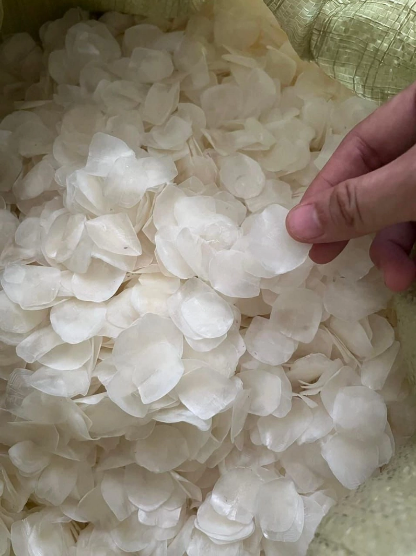
- Fish skin and scales
- Pork skin
- Tendons and cartilage
These provide real collagen.
Marine Collagen
Made from fish skin or scales.
- Smaller particles
- Easier absorption
- Best for skin
Vegan Collagen
Plants do not contain collagen. Vegan products provide nutrients that help your body make collagen:
- Amino acids
- Vitamin C
- Silica
- Zinc
They support collagen production but do not supply actual collagen.
Who Benefits Most from Collagen?
- Aging adults
- People with joint pain
- Anyone with digestive issues
- Athletes
- High-stress lifestyles
- Postpartum women
- People recovering from illness
- Those with inflammatory conditions
Who Should Be Cautious
Not because collagen is dangerous—but because context matters.
Natural homemade bone broth done right, is fine for consumption. But, if taking collagen supplement, use care if you have:
- Severe kidney disease
- Active gout
- Histamine intolerance
- Severe autoimmune flares
- Seafood allergy (avoid marine collagen)
Always start with small amounts.
Possible Side Effects
If taking collagen supplements, you may encounter the following reactions. They are usually mild and temporary:
- Bloating
- Headache
- Acne
- Heaviness
- Feeling overly relaxed
If you do experience these reactions, it may mean:
- Dose is too high
- Digestion is weak
- Product quality is poor
Lower the dose and try again.
Collagen Is Not a Miracle
It will not fix:
- Poor diet
- Chronic stress
- Bad sleep
- Ongoing inflammation
Collagen supports repair. It does not override lifestyle.
Best Natural Collagen Sources You Can Make at Home
If you want the most powerful and affordable collagen, make it yourself.
These whole-food sources contain collagen plus the cofactors needed for absorption—something supplements can’t fully replicate.
1. Bone Broth (Beef or Lamb Bones)
Excellent for:
- Gut lining
- Joints
- Immune support
- Skin
2. Fish Scale or Fish Skin Broth
- High in Type I collagen.
- Excellent for:
- Skin
- Hair
- Nails
3. Chicken Feet Broth
One of the richest collagen sources available. It’s excellent for:
- Joints
- Cartilage
- Gut repair
These traditional foods are inexpensive, deeply nourishing, and highly effective, that you can make at home to start rebuilding your collagen naturally.