Signs You May Have Chronic Inflammation
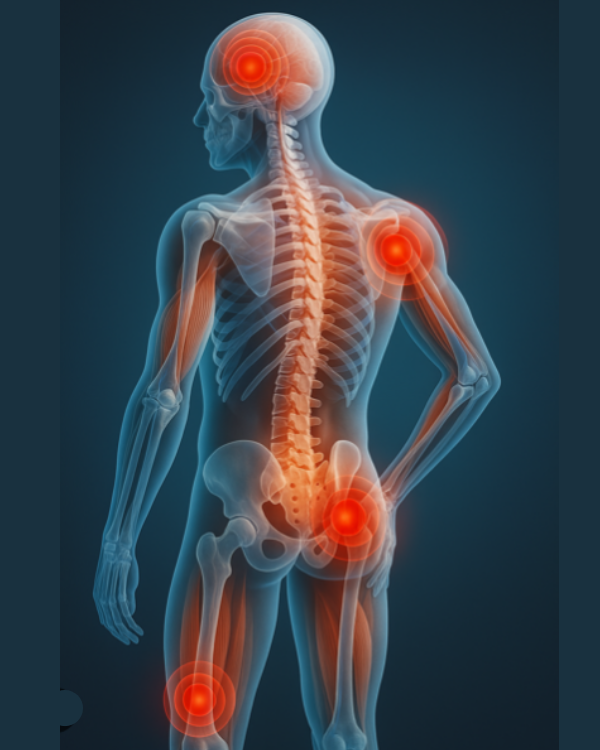
There is no single symptom. But, patterns may include:
- Low energy despite adequate sleep
- Cravings for sugar or carbs
- Belly fat that won’t budge
- Puffy face or hands
- Chronic sinus congestion
- Frequent headaches
- Skin breakouts
- Joint discomfort
- Mood instability
- Digestive irregularity
Blood tests like CRP (C-reactive protein) can detect inflammation, but many people feel symptoms before lab values rise significantly.
What Is Inflammation?
Inflammation is your body’s natural defense system.
When you cut your finger, catch a virus, or twist your ankle, your immune system sends white blood cells and chemicals to the area. You get redness, swelling, warmth, and sometimes pain. That is acute inflammation—and it’s a good thing. It means your body is healing.
The problem is when this inflammation never goes off.
What Is Chronic Inflammation?
Also known as “silent inflammation”, chronic inflammation is low-grade, ongoing immune activation that lasts for months or years.
Instead of responding to a clear injury or infection, your immune system stays turned “on” all the time.
You may not see obvious swelling or redness. Instead, the effects gradually show up as:
- Persistent fatigue
- Brain fog
- Digestive discomfort
- Joint stiffness
- Weight gain
- Mood changes
- Skin issues
- Hormonal imbalances
Over time, chronic inflammation begins to damage tissues, blood vessels, organs, and cells. It becomes the silent driver behind many diseases.
What Causes Chronic Inflammation?
There are various causes of chronic inflammation. It is the result of accumulated stress on the body.
Here are the most common triggers:
1. Poor Diet
Highly processed foods, refined sugar, industrial seed oils, and artificial additives stimulate inflammatory pathways.
Excess sugar increases insulin and promotes the production of inflammatory molecules called cytokines.
Trans fats and oxidized oils damage blood vessels.
Low fiber intake starves beneficial gut bacteria.
Food is either fueling repair — or fueling inflammation.
2. Gut Dysfunction
Your gut contains about 70% of your immune system.
When the intestinal lining becomes irritated or permeable (also known as “leaky gut”), tiny food particles and bacterial fragments enter the bloodstream. The immune system reacts, creating systemic inflammation.
Common gut triggers:
- Highly-processed foods
- Chronic stress
- Antibiotic overuse
- Food sensitivities
- Excessive alcohol
If the gut is inflamed, the whole body often suffers.
3. Chronic Stress
Stress is not just emotional—it is biochemical.
When stress hormones like cortisol stay elevated, immune balance becomes disrupted. Initially cortisol suppresses inflammation, but chronic stress can lead to immune resistance and rebound inflammation.
You may not feel “stressed,” but your body may be stuck in survival mode.
4. Poor Sleep
Sleep is when your body repairs tissues and regulates immune activity.
Even one week of poor sleep increases inflammatory markers.
Chronic sleep deprivation disrupts hormones like insulin, leptin, and cortisol — all linked to inflammation.
5. Toxins and Environmental Exposure
Air pollution, heavy metals, pesticides, plastics, and mold exposure can all trigger immune activation.
Your detox systems (liver, kidneys, lymphatic system) work hard — but overload leads to inflammatory responses.
6. Excess Body Fat
Fat tissue is not passive storage.
It actively produces inflammatory chemicals. The more visceral fat (fat around organs), the higher the inflammatory burden.
This is one reason chronic inflammation and metabolic disease often go together.
How Chronic Inflammation Affects Different Systems in the Body
Let’s look at how inflammation impacts specific organs and systems.
1. Brain and Mood
Chronic inflammation affects neurotransmitters and brain signaling.
It has been linked to:
- Brain fog
- Memory decline
- Anxiety
- Depression
- Increased risk of neurodegenerative diseases
Inflammatory molecules can cross the blood-brain barrier and alter serotonin and dopamine production.
Many people struggling with mood disorders also show elevated inflammatory markers.
2. Heart and Blood Vessels
Inflammation plays a major role in cardiovascular disease. It damages the inner lining of blood vessels (endothelium), making it easier for plaque to form, and contributes to:
- Atherosclerosis
- High blood pressure
- Heart attack risk
- Stroke risk
Cholesterol alone does not cause plaque buildup—inflammation makes vessels vulnerable.
3. Metabolism and Weight
Chronic inflammation interferes with insulin signaling.
This can lead to:
- Insulin resistance
- Blood sugar instability
- Increased belly fat
- Cravings
- Energy crashes
Inflammation also affects leptin, the hormone that regulates hunger and fullness.
Many weight-loss struggles are not just about calories—they are about inflammation.
4. Joints and Muscles
Inflammatory chemicals break down cartilage and connective tissue.
This can lead to:
- Joint stiffness
- Muscle aches
- Reduced mobility
- Autoimmune joint conditions
Even mild chronic inflammation can cause morning stiffness or unexplained body aches.
5. Digestive System
Inflammation in the gut can cause:
- Bloating
- Gas
- Reflux
- IBS symptoms
- Food sensitivities
Over time, chronic gut inflammation may contribute to conditions like inflammatory bowel diseases.
6. Skin
Your skin reflects internal inflammation.
Some of the common signs:
- Acne
- Rosacea
- Eczema
- Psoriasis
- Premature aging
Inflammation breaks down collagen and impairs skin barrier function.
7. Hormones
Inflammation disrupts hormone production and signaling. It can affect:
- Thyroid function
- Estrogen and progesterone balance
- Testosterone levels
- Adrenal function
Many hormonal imbalances have an inflammatory component.
8. Immune System Dysregulation
Ironically, chronic inflammation weakens immune resilience. When the immune system is constantly activated, it becomes dysregulated. This may contribute to:
- Autoimmune diseases
- Frequent infections
- Allergies
Balance is key. Not suppression but balance.